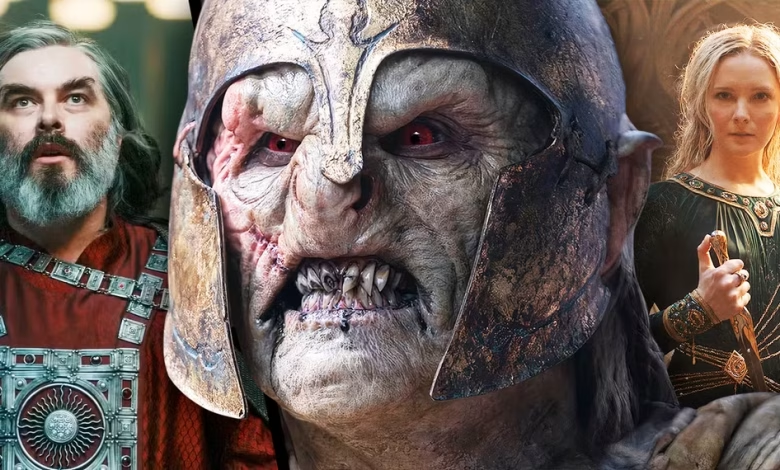
The Rings Of Power

10 Biggest Lord of the Rings Mistakes Made by Rings of Power

The Lord of the Rings: The Rings of Power is one of the biggest and most divisive Lord of the Rings projects to date. It’s the most expensive TV show of all time and the first adaptation of J. R. R. Tolkien’s work to delve into the Second Age of Middle-earth. The series has been particularly divisive due to its interpretation of Tolkien’s world.

While The Lord of the Rings: The Rings of Power is loosely based on the appendices of The Lord of the Rings, it’s not a direct adaptation and has taken many liberties with its timeline and lore. Fans’ reception to this loose take on Tolkien’s work has varied dramatically. Regardless of how open viewers are to creative liberty, though, some choices in The Lord of the Rings: The Rings of Power have been more infamous than others.

10. The Harfoots Were a Fan-Service Attempt Gone Wrong

They Were a Mistake in More Ways Than One
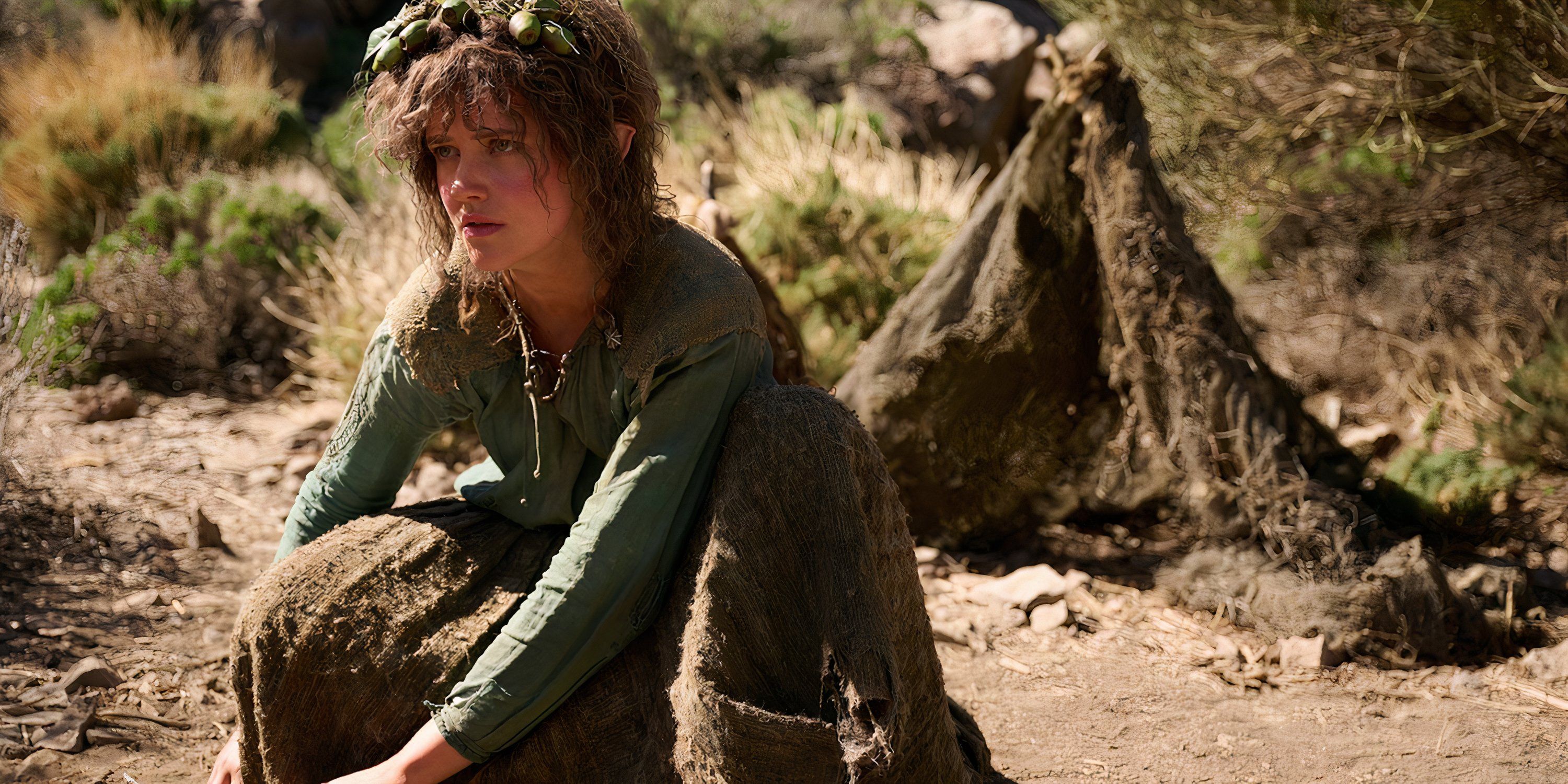
Nori forages in Rings of Power Season 2

The Harfoots, one of the three breeds of Hobbits, appear in The Lord of the Rings: The Rings of Power. Two Harfoots, Nori (Markella Kavenagh) and Poppy (Megan Richards), discover and befriend The Stranger (Daniel Weyman). The Harfoots’ inclusion is a slight contradiction to Lord of the Rings lore, as Tolkien never mentioned them having a significant role in the Second Age.

It seems The Lord of the Rings: The Rings of Power wanted to include Hobbits for fan service. The slight lore contradiction wouldn’t be a huge deal if it weren’t for the show’s depiction of the Harfoots. Some viewers were put off by the fact that the Harfoots, who were depicted as rather primitive, had Irish-sounding accents.
9. The Rings of Power’s Struggles With Middle-earth Dialogue

It Can Be a Bit Choppy at Times

Elendil is worried about his Queen when people plan to revolt against her in The Rings of Power
Image via Amazon Prime

The Lord of the Rings: The Rings of Power struggles with dialogue, with many viewers noting the cringeworthy and choppy nature of the characters’ speech. While not all things translate perfectly to the screen, the dialogue is particularly noticeable, considering how masterful Tolkien was at it. Dialogue stood out in his works, from the numerous intriguing conversations between characters to the thought-provoking quotes that he crafted.

Naturally, The Lord of the Rings: The Rings of Power doesn’t perfectly emulate a 20th-century writer, but, at times, it seems to try too hard to do so, with disastrous results. From awkward conversations to failed metaphors and inspirational quotes, the show’s dialogue doesn’t feel like Middle-earth.

8. Condensing the Timeline Beyond Recognition

The Timeline Is Incredibly Confusing

Ar-Pharazon is stunned when he is suddenly chosen by higher powers to be the next King of Numenor
Image via Prime Video

Even before its premiere, The Lord of the Rings: The Rings of Power confirmed its timeline would be condensed. Such timeline compression is also present in Peter Jackson’s The Lord of the Rings trilogy, although not on the same scale as the Amazon series. The Lord of the Rings: The Rings of Power attempts to cover over 3,000 years’ worth of Middle-earth history within five seasons.

The timeline is deeply confusing, as characters and events that were once separated by hundreds or even thousands of years are brought together in the show. Meanwhile, The Lord of the Rings: The Rings of Power doesn’t always know how to smoothly transition these far-apart events into close ones, leading to a timeline that’s not only different but also less coherent.

7. Changing Galadriel’s Relationship With Gil-galad

And With Galadriel’s Family

Galadriel holds Finrod's dagger in Rings of Power
Image via Prime Video

Galadriel’s story in The Lord of the Rings: The Rings of Power is largely original, as Tolkien’s works never suggested she was a vengeful warrior who hunted Sauron during the Second Age of Middle-earth. While the idea of her being a warrior and later growing into the wise, level-headed elf of Frodo’s time isn’t so far-fetched, The Lord of the Rings: The Rings of Power oddly erases some vital aspects of her character.

For one, having Galadriel ordered around by Gil-galad wouldn’t have happened, given that her age and prestige at the time meant she was his equal. Additionally, The Lord of the Rings: Rings of Power‘s decision not to include Galadriel’s husband, Celeborn, so far, is a significant and perplexing shift from canon.

6. Taking Away Gil-galad’s Leadership Skills

Gil-galad Has an Attitude Problem

Benjamin Walker stars as Gil-Galad in Lindon in Rings of Power

The Lord of the Rings: The Rings of Power makes changes to Gil-galad (Benjamin Walker), the last High King of the Noldor Elves. His inclusion in the series was exciting, given that he’s a legendary figure in Tolkien’s universe, remembered for his valiant sacrifice during the Last Alliance of Elves and Men. However, he’s far from a heroic figure in the show.

Instead of a wise, selfless leader, Gil-galad is dismissive and controlling, going as far as ordering around Galadriel (Morfydd Clark) and non-Noldor Elves. Not only is this a mischaracterization, but it doesn’t make sense given the limits of Gil-galad’s power and the way of the Elves’ politics and hierarchy.

5. Retconning Mordor’s Origin Story

Rings of Power Retcons Without a Cause

Galadriel facing down Mount Doom in Mordor in The Rings of Power
Image via Amazon Prime Video

One of the biggest retcons in The Lord of the Rings: The Rings of Power is the origin of Mordor. While Tolkien never explicitly confirmed the origin of Mordor, his notes suggested that Morgoth created the land sometime during the First Age of Middle-earth, and this is the theory most widely accepted by fans.

However, The Lord of the Rings: The Rings of Power offers a vastly different story in which a sword turns the Southlands into Mordor. It also suggests that Mordor was once a beautiful land, which also contradicts Tolkien’s depiction of it. Meanwhile, there doesn’t yet appear to be a significant reason for The Lord of the Rings: The Rings of Power to change Mordor’s origin.

4. Including a Major Elven Rings Retcon

The Rings of Power Broke Its Main Lore

The Elven Rings of Power are on their wearers' hands in the trailer for Season 2 of The Lord of the Rings: The Rings of Power
Image via Amazon Prime Video

The Lord of the Rings: The Rings of Power slightly retconned the creation of the Three Elven Rings. In lore, the three rings were created with the influence of Sauron’s teachings, but without his direct involvement. Additionally, these three rings were created before the rings of Men and Dwarves.

In The Lord of the Rings: The Rings of Power, the Elven rings are created first by Sauron. It also suggests that Elrond (Robert Aramayo) sensed Sauron’s intentions from the start, even though the Elves weren’t aware of his plan until he put on the One Ring. The retcon also erases the fact that Sauron was initially unaware of the Elven rings. While the retcon isn’t terrible story-wise, it’s disappointing, considering the forging of the Rings was one of the most anticipated plot points given the show’s title.

3. The Orc Rebellion Makes Sauron Look Weak

The Show Contradicts Itself on Sauron’s Power

An orc growls in Lord of the Rings: Rings of Power
Image via Prime Video

The Lord of the Rings: The Rings of Power season 2 breaks canon by creating an original story in which Adar (Sam Hazeldine) and the rebelling Orcs kill Sauron (Jack Lowden) at the Dawn of the Second Age. In the lore, the Orcs never rebel or kill Sauron, although they are likely capable of rebelling.

Although the Orcs could rebel and hated Sauron, his easy defeat at Adar’s hand makes the Dark Lord appear perplexingly weak. It especially doesn’t align with the powerful, armored Sauron seen in The Lord of the Rings: The Rings of Power season 1’s prologue during the First Age, which takes place before his apparent far weaker state in season 2’s opening. Sauron was never infallible, but the Orc rebellion and his easy defeat make him appear unnaturally weak.

2. Breaking Canon by Inserting Gandalf Into the Story

And Missing a Bigger Opportunity
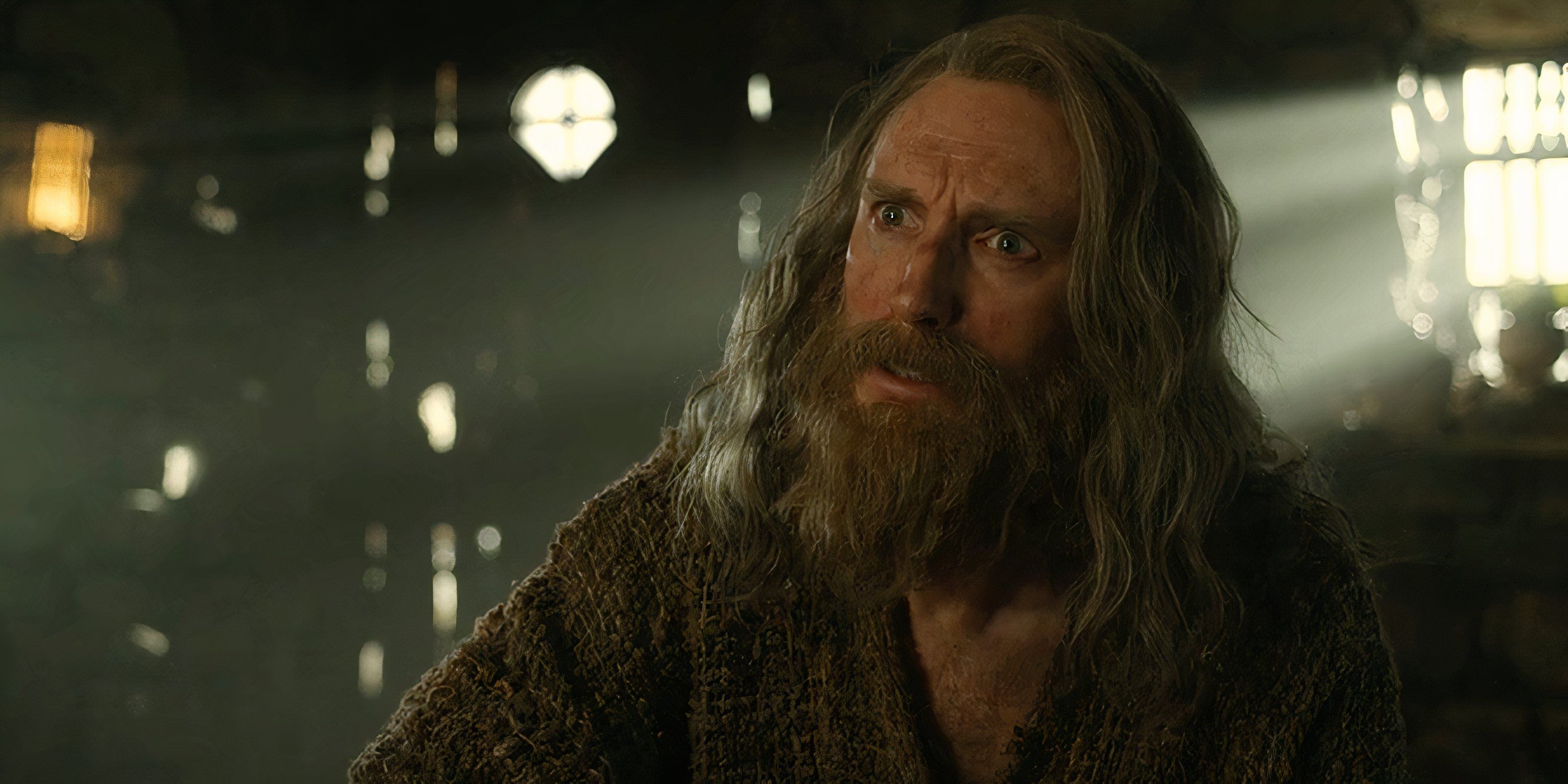
The Stranger (Daniel Weyman) talks to Tom Bombadil (Rory Kinnear) in Rings of Power

From the moment he was introduced, fans were certain that The Stranger (Daniel Weyman) in The Lord of the Rings: The Rings of Power was Gandalf. At the end of season 2, the show finally officially confirmed the theory. The inclusion of Gandalf is another significant break in Lord of the Rings canon, considering there is no evidence in Tolkien’s work that the wizard ever visited Middle-earth before the Third Age.

The most disappointing aspect of Gandalf being The Stranger is that The Lord of the Rings: The Rings of Power missed an excellent opportunity to make the character one of the Blue Wizards, which would have allowed it to explore one of Tolkien’s universe’s biggest mysteries without breaking canon.

1. Making a Show About Middle-earth Without a Key Source

Amazon’s Lord of the Rings Rights Are Complicated

Robert-Aramayo-The-Lord-of-the-Rings-The-Rings-of-Power-092624-5c6eccbf4c504330b5fffb3357f4a482
Image via Prime Video

Arguably, the most significant mistake The Lord of the Rings: The Rings of Power made, which contributed to many of the canon breaks and timeline issues, was its attempt to tackle the Second Age of Middle-earth without access to a vital source: The SilmarillionThe Silmarillion largely focuses on the First Age of Middle-earth, but also provides insight into the Second Age.

Material on the Second Age is already scarce because Tolkien wrote very little on it. Then, Amazon failed to secure rights to The Silmarillion, leaving them with little work aside from the appendices of The Lord of the Rings. It wasn’t Amazon’s fault, as The Silmarillion just wasn’t up for sale, but tackling this period without a significant source was risky and troublesome.


Related Articles

Leave a Reply

Your email address will not be published. Required fields are marked *

Back to top button