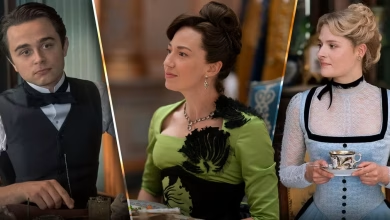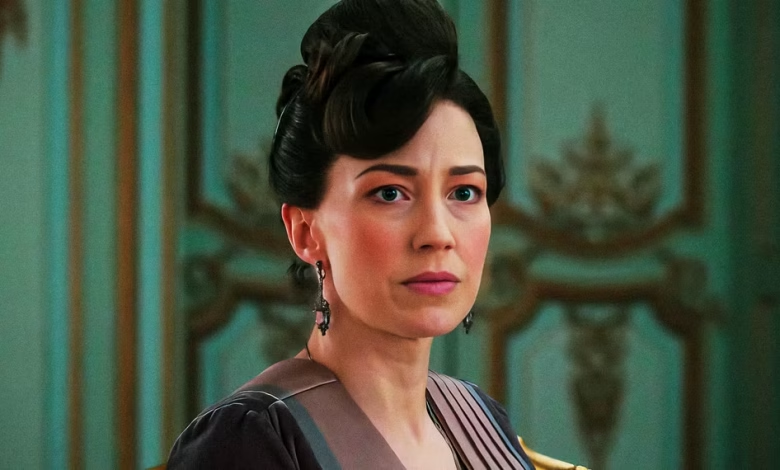
The series largely revolves around the Russell and Van Rhijn-Brook families, who represent opposite sides of the old and new-money divide, and their respective circles. From how the characters dress to how they speak, the series nails the real circumstances and social norms of the period through the dramatic lives of The Gilded Age‘s (mostly) fictional characters. Their stories continued across season 2, as tensions between the groups rose, hearts were broken, and one person came out victorious.
10. Ada Married Forte, But He Passed Away
Ada Finally Found True Love, And Lost It
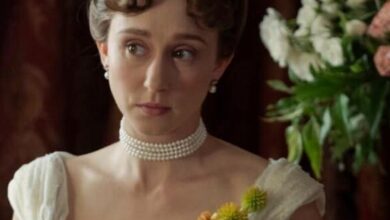
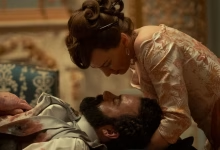
The Gilded Age season 2 introduced Reverend Luke Forte, the new rector at St. Thomas Episcopal Church, and tensions grew between Reverend Forte and Ada for several episodes at the beginning of season 2. After spending more time together, Forte and Ada became engaged in season 2, episode 4 and were married in episode 5. After always playing second fiddle to Agnes and feeling less important in her own home, Ada’s marriage finally made her happy and gave her someone who truly loved her.
9. Marian Ended An Engagement, And Shared A Kiss With Larry
Marian Chose Herself Over Dashiell

From her introduction at the beginning of season 1, Marian has always been a very modern and forward-thinking woman, and season 2’s ending continued that trend. Earlier in the season, Marian was introduced to Dashiell, a widower with a young daughter, and the two began courting. In episode 6, Marian accepts Dashiell’s marriage proposal, though even at the time she seems unsure about the decision. In the final two episodes of the season, this question becomes even more prominent, as Marian realizes that he has not moved on from his wife’s passing.
Ultimately, Marian rightly chooses to break off the proposal, putting herself first.
8. The Education Board Attempted To Close Several Schools For Black Students
The Black Community Worked Together To Stop The Board
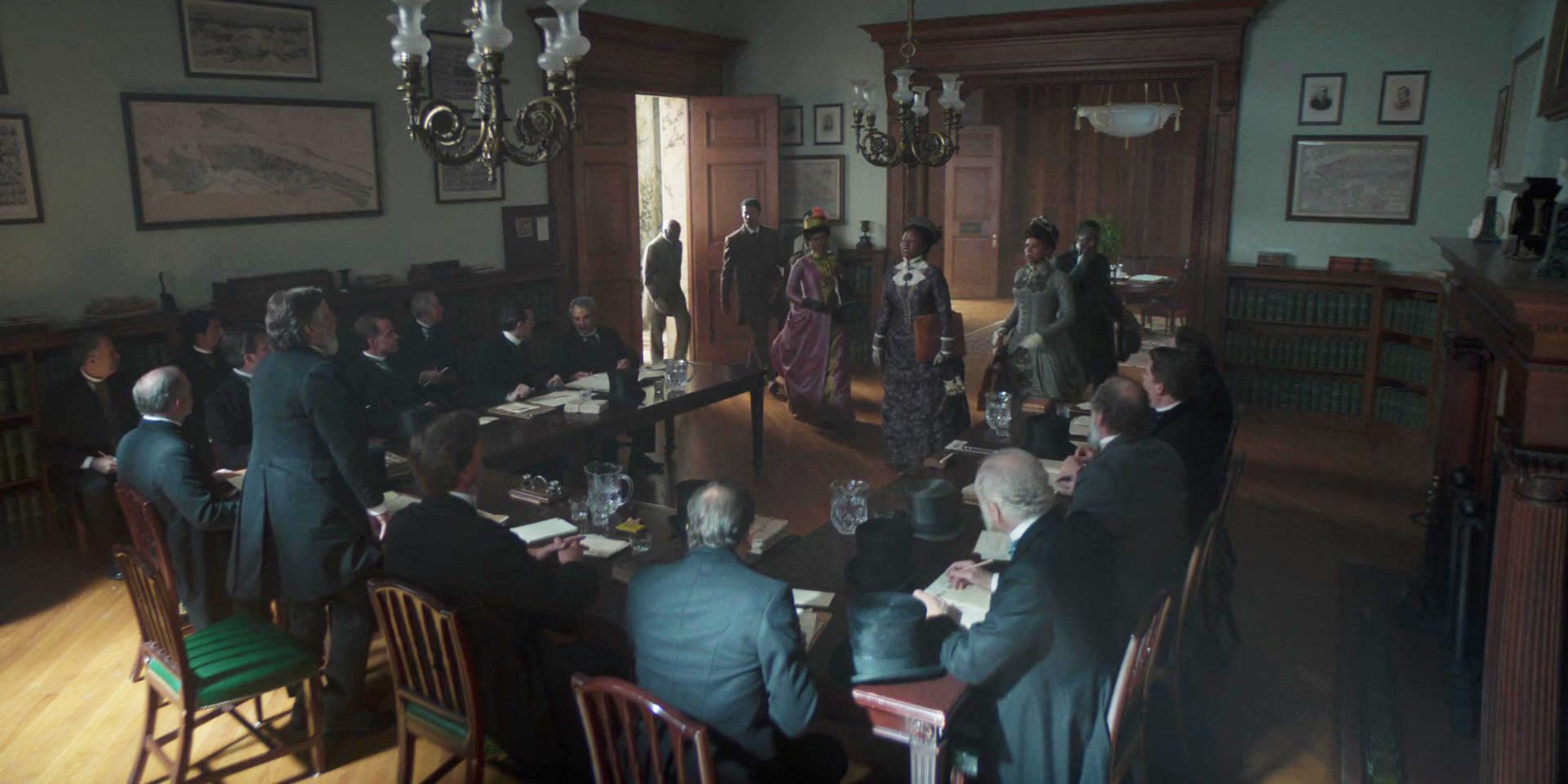
New York’s Black community and the racism that they face from both individual people and governing bodies is an important aspect of The Gilded Age, and in season 2 that was largely played out through their struggle with the New York Education Board. In episode 6, Peggy and Fortune begin investigating the board for the newspaper and learn that they plan to close all the Black schools. The pair then jump into action to warn New York’s Black community about what is happening, and a large group works to gather evidence of their need.
7. The Van Rhijn-Brooks Were Able To Keep Their House
They Narrowly Escaped After Oscar’s Blunder

The Gilded Age season 2’s second half was a stressful time for the Van Rhijn-Brooks thanks to Ada’s marriage and her husband’s passing, but their situation was made infinitely worse by Oscar’s big mistake. Throughout season 2, Oscar Van Rhijn attempted to find a suitable wife who would enable him to hide his sexuality. As part of this, he decides to court Miss Beaton. Though things seemed to be going well at first, in episode 7, it is revealed that Miss Beaton and Mr. Crowther were running a scam, and Oscar had lost nearly all of his family’s money to them.
6. Bertha (And The Met) Won The Opera War
Bertha Came Out On Top Over Mrs. Astor
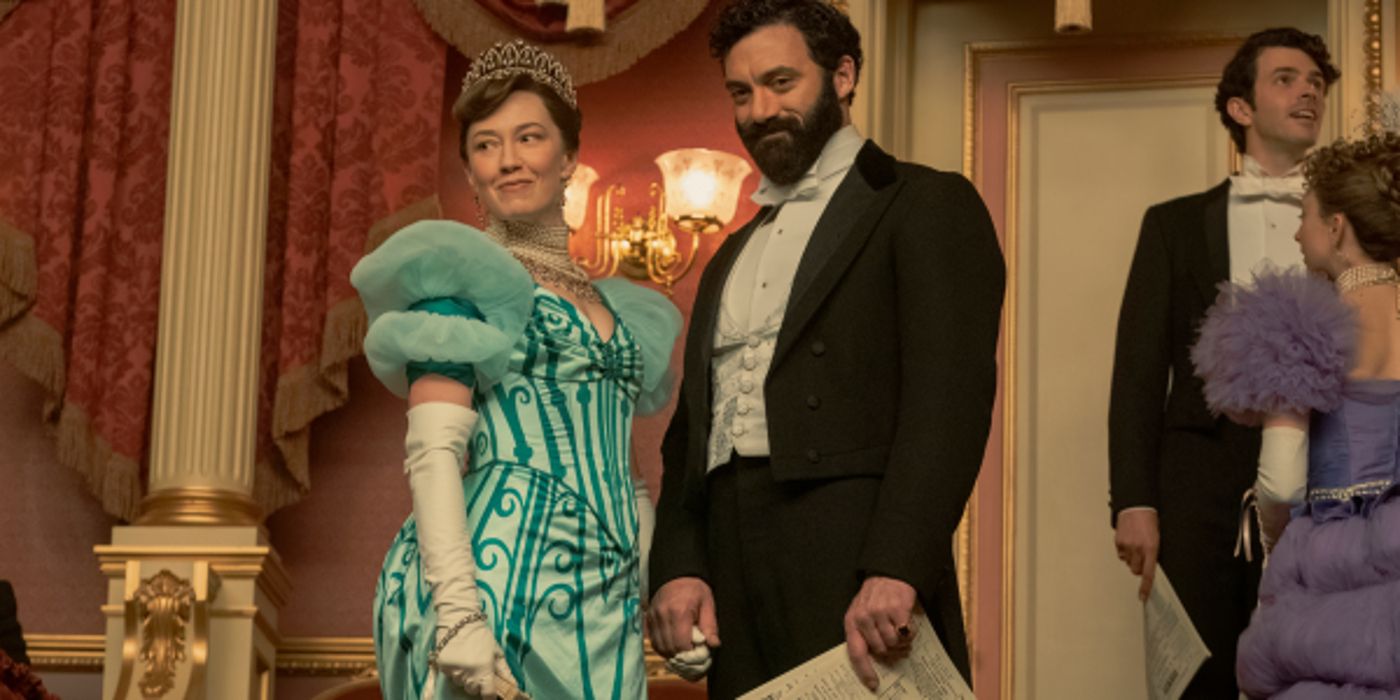
One of the biggest society dramas that unfolded over the course of The Gilded Age season 2 was that of the opera war. As of season 2, episode 1, the new Met Opera house is midway through being built, and Bertha Russell decides to put her money on the Met as being the popular destination of the season rather than the existing Academy of Music. Like many of Bertha’s actions in The Gilded Age, she decides to back the Met because the old-money crowd who support the Academy, particularly Mrs. Astor, continues to snub her.
Bertha feuded with the new Mrs. Winterton (formerly Turner) over the best box and tried to persuade New York’s elite that the Met was the place to be.
5. Agnes Lost Ground With Ada And Marian
Agnes’ World Is Changing Faster Than She Can Adapt To
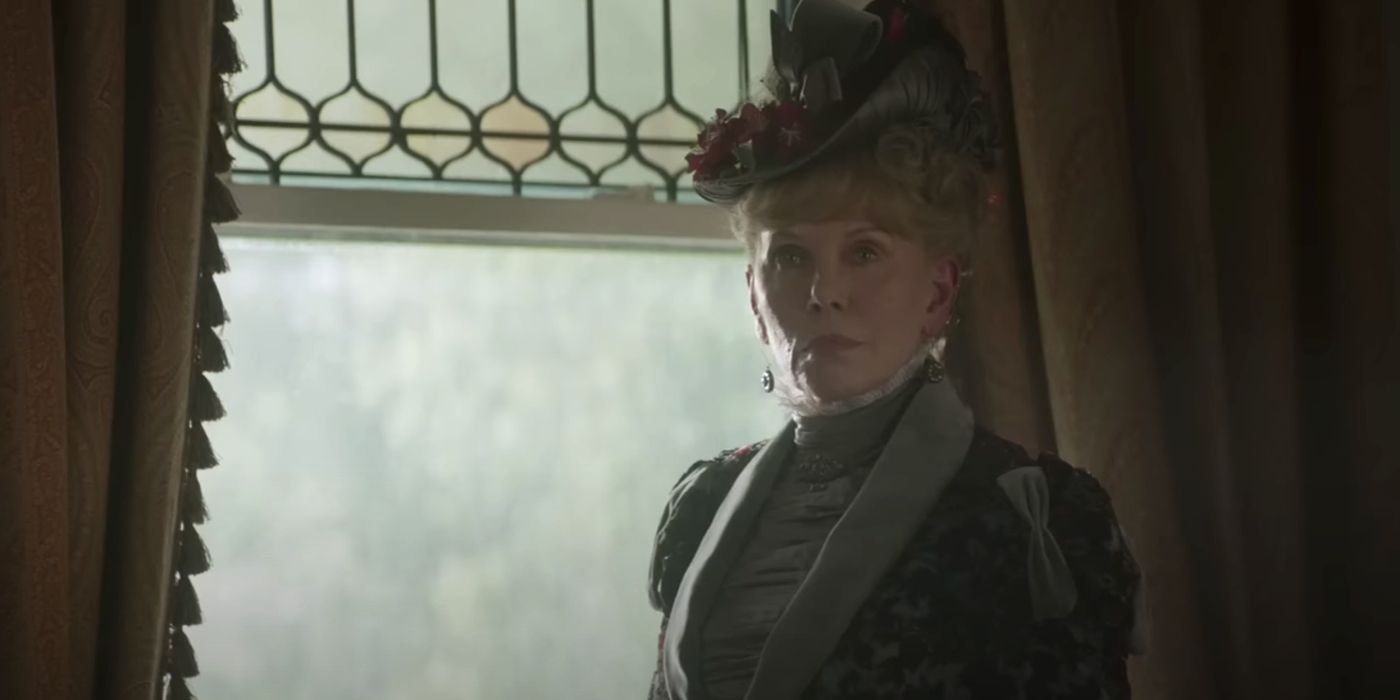
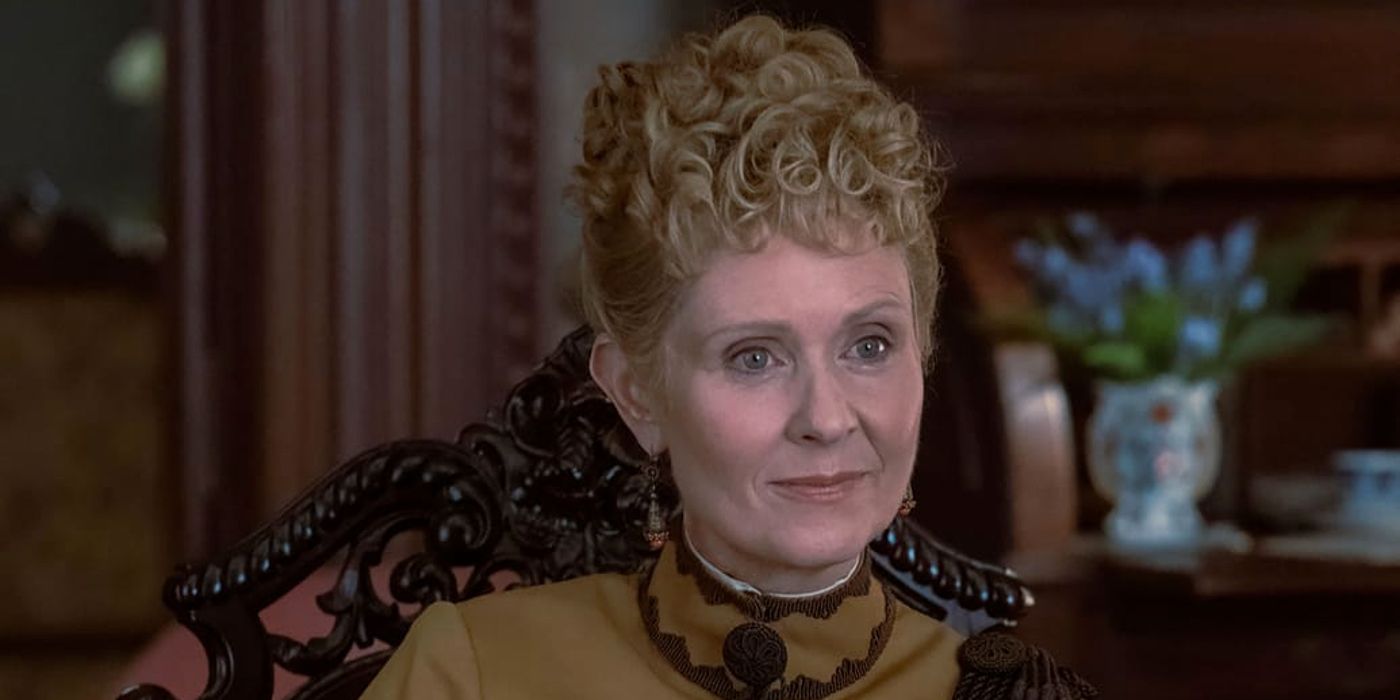
While some of The Gilded Age‘s characters are fairly modern and forward-thinking in their approaches to life and other people, Agnes van Rhijn is not one of them. She has staunchly supported the old-money class from the beginning, meaning that she has often been at odds with her niece Marian in particular. Agnes also often talks over and is fairly controlling of her sister Ada. These traits did not change much over the course of season 2, but everything around her did, including her family.
4. Jack Received His Alarm Clock Patent, And An Offer From Larry
Jack Will Have A New Business Opportunity In Season 3

Jack’s biggest story in season 2 was his work on his alarm clock, which unfolded over the course of several episodes. In episode 6, several members of the Van Rhijn-Brook household helped him gather enough money to apply for the patent. However, it was initially rejected because Jack is not a member of a guild. In episode 7, Bannister helps Jack resolve the problem, allowing him to finally gain an approval, and Larry is impressed with the invention.
3. Peggy Quit Her Job At The Paper
Peggy Realized She Needed Space From Fortune
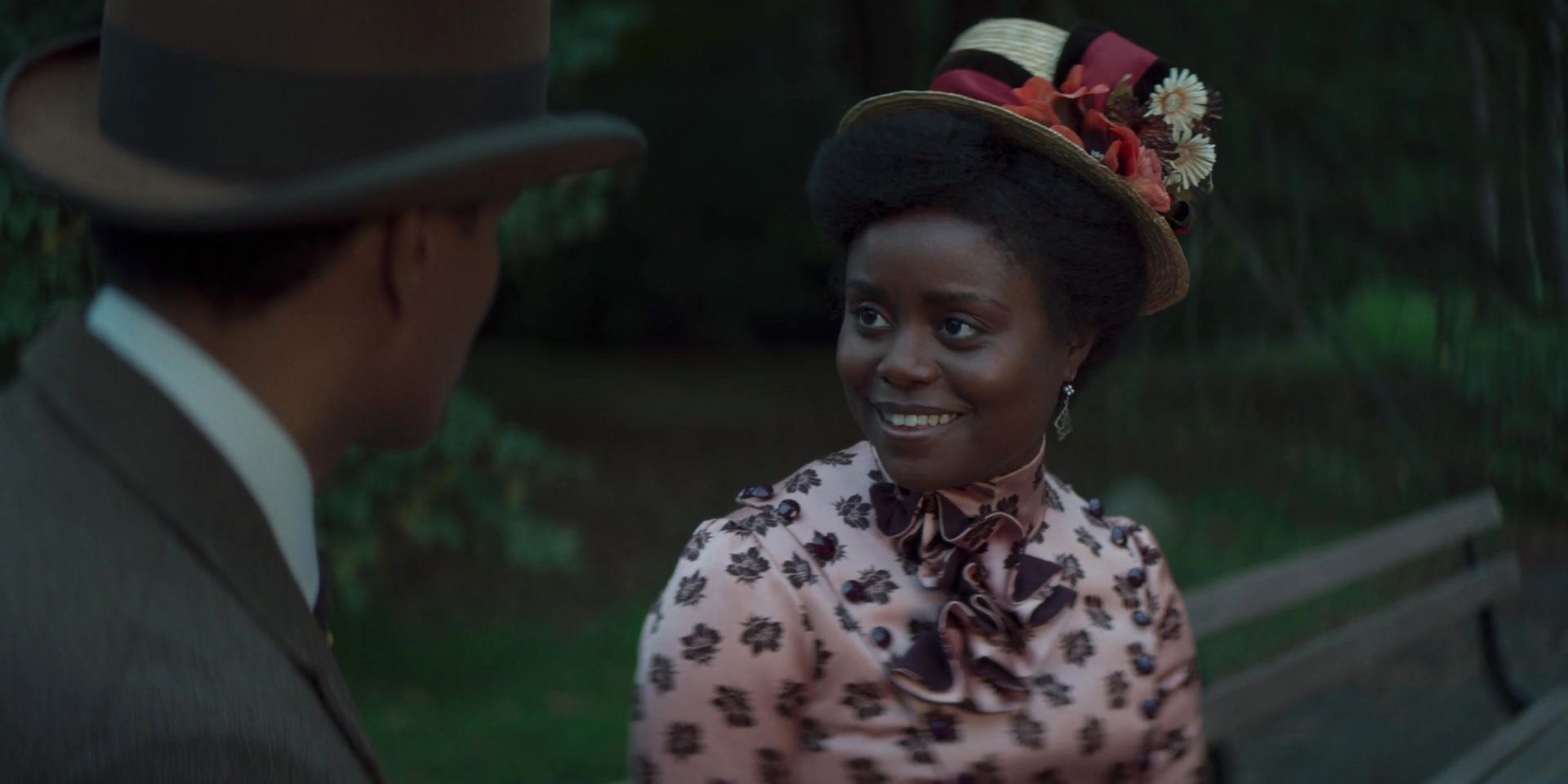
Peggy Scott had her hands full in The Gilded Age season 2 with her work at the paper and her involvement in saving the city’s Black schools, but by season 2’s ending, she chose to go in a different direction. From her season 1 introduction, Peggy has always been characterized as a great writer, and that still rings true. When she informs Fortune of her decision to leave The Globe, she tells him that she hopes to work more on her novel, and while this might be partially true, it is not the only factor in Peggy’s decision.
Though this leaves Peggy a bit more up in the air going into season 3, she made the right choice for herself.
2. Bertha Promised Her Daughter, Gladys, To The Duke
To Win The Opera War, Bertha Needed The Duke

The Duke of Buckingham was the talk of the town throughout The Gilded Age season 2 with both the old and new-money social groups vying for his attention. At the last minute, Bertha stages a coup, and he miraculously appears at the Met, leaving those at the Academy wondering what she offered him that could have persuaded him. Given that Mrs. Astor had already offered the Duke plenty of money and access to New York society, the patrons deduced that there was only one thing more valuable that she could have offered: her daughter Gladys.
1. New Money Triumphed Over Old
The Power Structure In New York Is Changing

On the night of the opera, Mrs. Fish attends the Academy of Music, but upon seeing how empty it is, promptly leaves and heads to the Met where she congratulates Bertha Russell. When she arrives and sees how full the hall is, Mrs. Fish claims that Bertha has “reinvented American society” by besting Mrs. Astor in the social sphere. This moment definitively proves that new-money gained a lot of ground during The Gilded Age season 2, finally and fully usurping old-money and changing the power structure of the city.
Though there are a few people who are clearly still happy to cling to their rigid social structure, namely Mrs. Astor and Agnes Van Rhijn, the majority of New York’s upper-class chose the Met and, by extension, Bertha. The shift from old-money to new-money is also clear in Agnes’ changing dynamic in her family and the growing ability for working-class people like Jack to rise through the ranks due to their own ingenuity. This process only began at the end of The Gilded Age season 2, but we will likely see even more changes in the episodes to come.