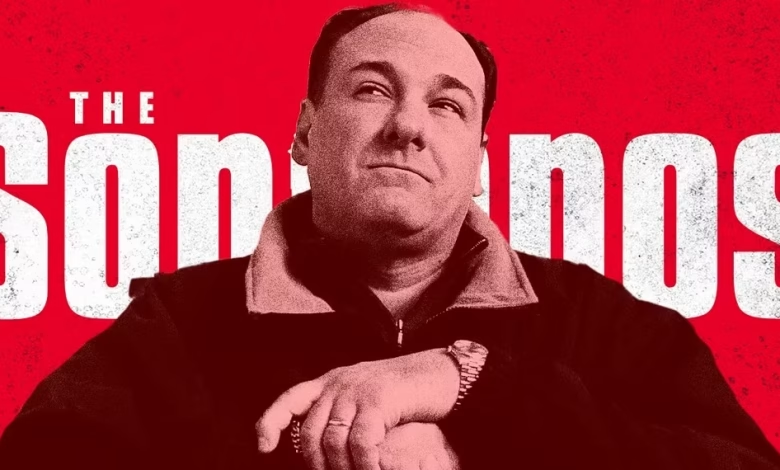
Unlike prestige television series that depict redemption arcs and significant moments of moral clarity, The Sopranos presents a worldview so bleak and brutal that it verges on nihilism. Therapy is weaponized, friends and family are regularly betrayed, and all attempts at growth and change are ultimately futile. The universe of The Sopranos is not one that is governed by morality and ethics, but by self-interest and entropy. Here are six reasons why The Sopranos is the most cynical series ever.
6. Despite Their Best Efforts, Most of the Characters Never Change

But by the end of the series, Tony fully embraces his sociopathic nature and, in some ways, is even worse than he was before. In “Kennedy and Heidi”, one of the most essential episodes of the series, instead of helping his beloved nephew Chris (Michael Imperioli) stay sober, he murders him. Later on, Tony develops a gambling addiction and even goes back to cheating on Carmela. But Tony’s not the only one who fails at changing. Chris attempts sobriety multiple times in the series, but he never kicks his heroin habit; Carmela tries to cut ties with Tony and even considers divorce, but decides to stay with him and accept their luxurious lifestyle financed with blood money; and that animal Blundetto (Steve Buscemi), nearly gets his life together and opens up a massage parlor before completely throwing it all away and getting involved in the mob again. This reinforces Tony’s dark deterministic worldview which affirms that “you are what you are”.
5. Almost Everybody Is Self-Interested

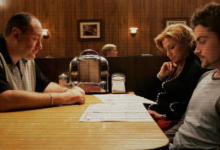

When Tony makes Junior (Dominic Chianese) boss, it’s only to make him a lightning rod for law enforcement. When Carmela keeps asking questions about Adriana’s (Drea De Matteo) disappearance, Tony uses his connections to make it easier for her to build her spec house and get distracted. It’s not a gesture of goodwill but another ploy. Politicians like Ron Zellman (Peter Riegert) associate with Tony and his crew to participate in schemes like the exploitation of federal housing programs, and yet they have the temerity to present themselves as upstanding members of the community. Dr. Cusamano (Robert LuPone) pretends to be a friend to Tony, but he only invites him to play golf so that he and his mafia-interested friends can be entertained by him. Tony remains an outsider from Cusamano’s group. Cusamano sees him as nothing more than a “dancing bear”. In a show that’s filled with betrayals and manipulation, Cusamano’s treatment of Tony is just another drop in the bucket.
4. Religion Is Hollow

Carmela’s priest hangs out at her house pretending to care for the salvation of her and the family, but he’s really just a freeloader who gets off on the sexual tension they share. He comes over and eats their food and gives Carmela a sacrament and suggests that she encourage Tony to take a more proactive approach in his relationship with God and the church, but it becomes increasingly clear that Father Intintola’s just using Carmela, just like he uses other women like Rosalie Aprile (Sharon Angela). The neighborhood church also accepts money from Paulie (Tony Sirico), a known gangster, and even has the audacity to request more. The priest and the church’s involvement with Carmela and Paulie illustrates its moral bankruptcy and underscores its illegitimacy as a religious institution.
3. No Good Deed Goes Unpunished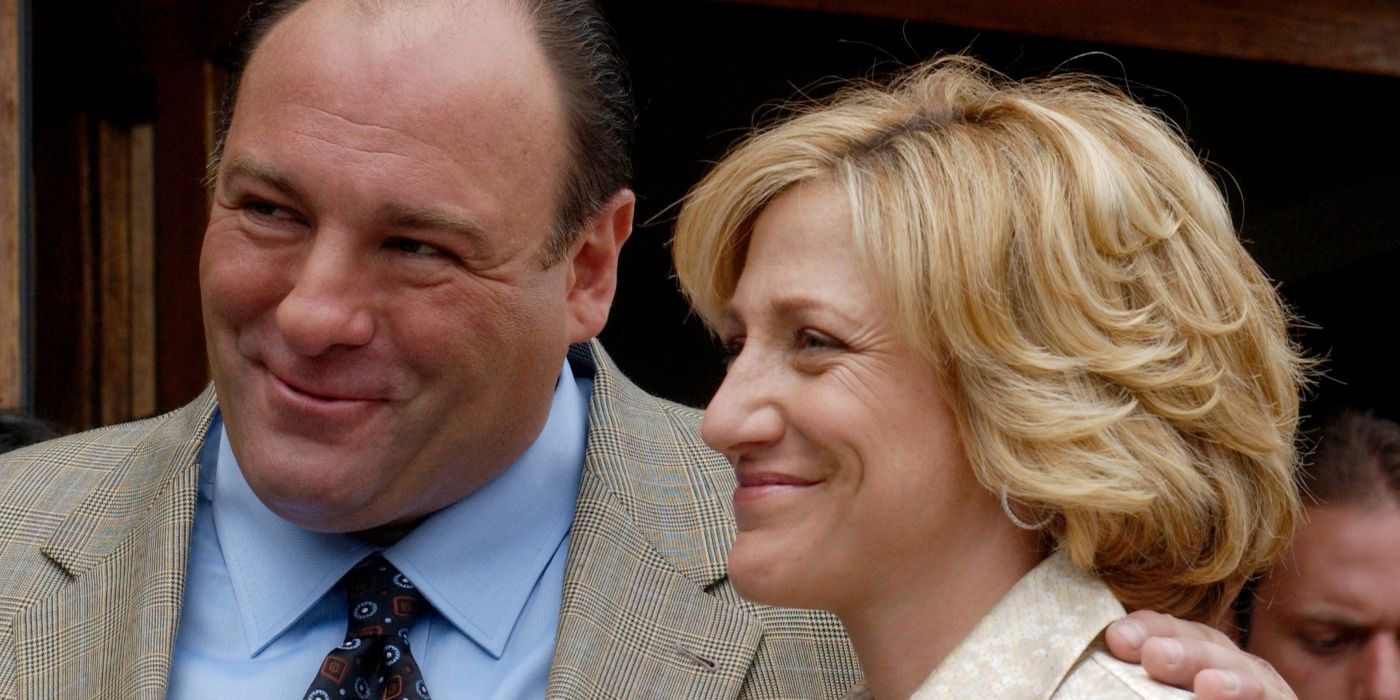
Each time that one of the characters decides to do something remotely good, it seems as though they’re punished for it. Characters that tell the truth and attempt to change their ways always seem to suffer horrific consequences for it. In The Sopranos universe, there’s no shortage of characters who suffer from acts of kindness, honesty, or self-restraint.
2. Therapy Is Futile

Melfi realizes this near the end of the series after viewers witness multiple instances of Tony justifying criminal actions and awful decisions using Melfi’s advice. At times, Tony even quotes Melfi as a signal to audiences that her guidance is very much a driving force in his decision-making.
Tony’s implementation of Melfi’s advice within a criminal and unethical context underscores the futility of therapy and self-help in a corrupt world. It also didn’t help that Melfi’s own fascination with Tony’s criminal background may have skewed her professionalism a bit. Tony’s not the only person who fails to benefit from therapy. Dr. Melfi herself is depicted as being treated by a therapist who seems more interested in cracking jokes than he does in actually helping her. Despite dozens of sessions, Melfi is ultimately forced to come to terms with her inability to help her patient. Despite her strongest efforts, the only logical decision is to abandon Tony, letting audiences know that some people are beyond saving.
1. The Mob Is a Tragic Metaphor for Contemporary Middle-Class America

Unlike classic mob films, The Sopranos doesn’t depict mob life as anything luxurious. The mob is a lot like middle-class America in the sense that its employees are part of a middling bureaucracy in which most of the profits go to the boss of the family, who’s a lot like the CEO. The employees of the mob are subject to poor and abusive leadership, and deal with the same mundane existence that corporate employees are subject to. In fact, it’s a bit depressing and underwhelming compared to the thrilling and often lavish depictions we see in classic films like The Godfather and Goodfellas.
For many of the members of the mob, their jobs are simply not worth the trouble. Chris lives paycheck to paycheck and when he’s finally “made” (the mafia equivalent of a major corporate promotion) it’s nothing like the lavish upgrade he thought it would be. He’s routinely abused and exploited by Paulie and regularly forks over enormous amounts of cash. Paulie and Silvio’s situations are hardly different. Their New Jersey middle-class suburban homes are nothing to fawn over. Even Tony’s lifestyle is profoundly depressing.