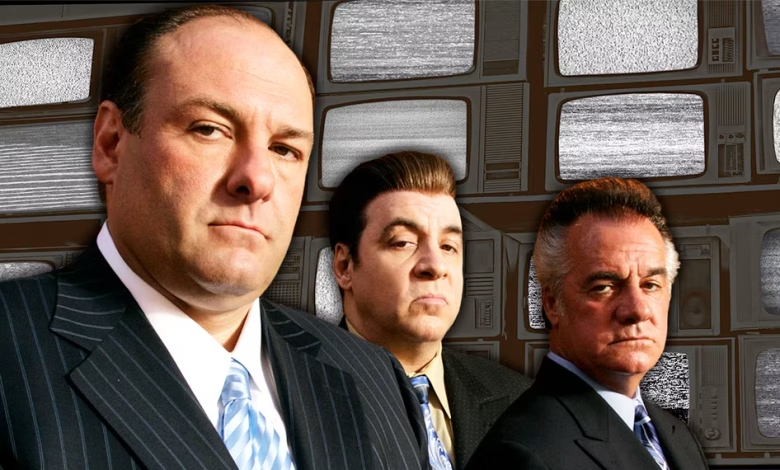
What once felt edgy, thrilling, or even glamorous now reveals layers of dysfunction and emotional emptiness that hit much harder in retrospect. The show is not just about Tony Soprano’s (James Gandolfini) role in the mob but also a slow, devastating exploration of identity, family, power, and the cost of self-deception. Watching The Sopranos today forces fans to confront the bleak and cynical nature of its worldview.
10. The Sopranos’ Slow Burn Feels Even Slower Now
The Series’ Pace Feels More Like a Drag
In today’s era of fast-paced content, The Sopranos’ slow and deliberate pacing feels even more noticeable. When the show aired, it was a bold change from traditional, plot-heavy TV. The quiet tension and slow-burn drama were ground-breaking at the time. However, rewatching it now, especially in a binge format, makes the lulls feel longer.

9. Meadow and A.J. Are Even Harder to Watch Today
Teen Angst in The Sopranos Becomes Less Relatable as the Audience Ages

Watching A.J. stumble from one failed identity to the next and Meadow’s self-righteousness is exhausting. Neither character grows significantly. As a result, the characters do not offer new material throughout the seasons. Some audience members may struggle to sympathize in the same way they previously did. Instead, fans see the emotional damage inherited from privilege and denial. Their arcs are tragic but also draining to watch unfold again.
8. The Sopranos’ Ending Hurts Even More the Second Time
A Masterful Ending is Still Just as Frustrating
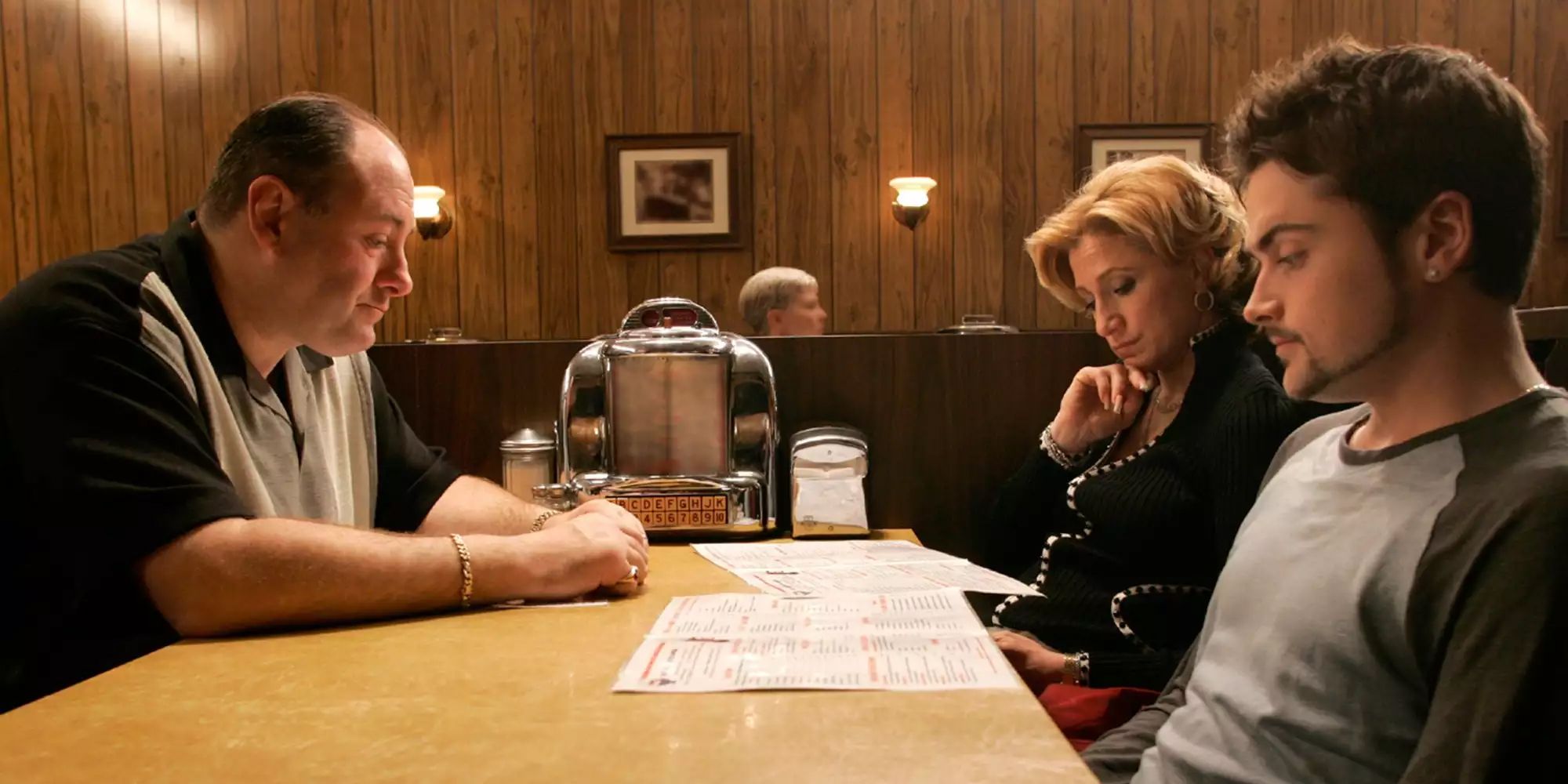
Fans realize the ending is not about whether Tony lives or dies but about the inevitability of that uncertainty. He has lived in paranoia for years, and the viewers share that same paranoia. There is no catharsis, no answers and no peace for the viewers. The finale does not just end the show, but it cements its legacy as one of television’s most haunting, uncompromising conclusions.
7. The Glamour of Crime in The Sopranos Quickly Wears Off
Rewatching The Sopranos Removes The Magic

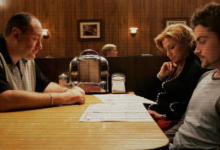
Paulie (Tony Sirico) and Silvio (Steven Van Zandt) are paranoid and joyless. Carmela is consumed by denial. Every indulgence is a mask for something deeper: fear, rage, or hollowness. Tony’s mob life, once presented with cinematic swagger, is stripped of any romance on the second viewing. The show was never selling fans the lifestyle, but on rewatch, the audience fully grasps just how miserable and empty that world really is.
6. The Casual Bigotry Hits Even Harder Now
The Bigotry is Jarring Despite the Social Commentary

One of the most jarring parts of rewatching The Sopranos is how often the characters casually spout racism, sexism, and homophobia. These moments reflect the reality of their world, and they do, but they land much harder today. Lines that once passed as edgy or authentic now feel cringeworthy or cruel. It is not just the offensive jokes but the way characters laugh off hate crimes, objectify women, or dehumanize anyone outside their circle.
The show never condones this behavior, and its honest portrayal is often critical of it. However, the cultural tolerance for that kind of realism has shifted. What was once a mark of authenticity now demands reflection. As a result, rewatching the show requires more emotional labor, as this bigotry is jarring to hear and see now.
5. Christopher Is Even More Tragic Than Cool Upon Rewatch
The Sopranos Fan Favorite Loses Admiration
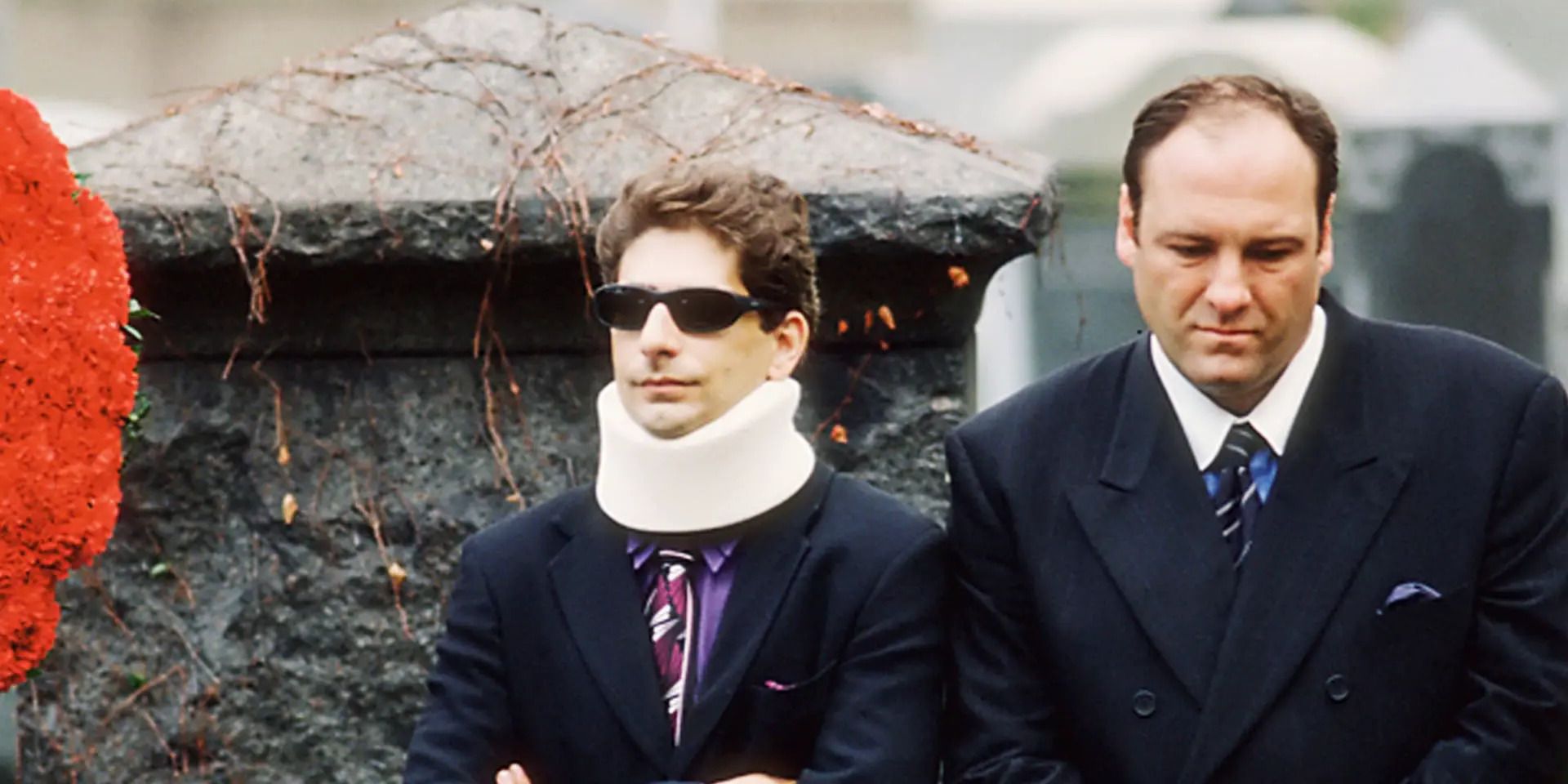
Initially, Christopher Moltisanti (Michael Imperioli) was the show’s wild card, being a young and volatile soldier with a dream of screenwriting and loyalty issues. His emotional instability and repeated acts of violence take away any charm he might have had. His abuse of Adriana (Drea de Matteo) is harder to stomach with time.
His failure to rise through the ranks is not a tragedy of bad luck but the result of selfishness, weakness and a lack of self-awareness. Imperioli delivers a standout performance, but the character himself is difficult to root for now. He’s a perfect product of his environment, which makes him so hard to watch. Christopher’s downfall is slow, painful, and ultimately inevitable, and on rewatch, it hits with a clarity that may have been missed the first time.
4. Gender Politics in The Sopranos are Brutally Dated
Female Characters Aren’t Fully Developed or Properly Represented

The Sopranos has always focused on male perspectives, but its treatment of women feels especially harsh. Female characters are too often defined by their relationships with men as wives, mistresses, and daughters, and they are rarely given agency beyond that. While the show does critique toxic masculinity, it does not always avoid reinforcing it. Characters like Adriana, Gloria (Annabella Sciorra), or Valentina (Leslie Bega) are introduced with promise only to be discarded through trauma or disappearance.
3. Some Plotlines in The Sopranos Simply Don’t Work Anymore
Characters & Arcs Disappear Without Proper Development

Even the most incredible shows have missteps, and The Sopranos is no exception. On rewatch, some plotlines stand out as unfocused or underdeveloped. The FBI subplots, for example, frequently stall and feel repetitive. Dream sequences, while artistically bold, drag on and offer diminishing returns. Characters like Richie Aprile (David Proval), Jackie Jr. (Jason Cerbone), or Vito (Joseph R. Gannascoli) are introduced with promise, only to vanish or conclude their arcs abruptly.
2. Tony’s Therapy Ultimately Feels Like a Dead End
The Sopranos Wasted What Could Have Been a Tool for a Great Character Arc

Initially, Tony’s therapy sessions with Dr. Melfi (Lorraine Bracco) were a revelation. The idea of a mob boss unpacking his psyche felt like a fresh twist. Those sessions, unfortunately, go nowhere. Tony talks, lies, deflects, and manipulates, but never truly grows. Dr. Melfi spends years hoping for a breakthrough that never comes. The audience does, too.
Instead, fans get a repetitive dance of insight followed by regression. Knowing how little Tony ultimately changes makes these scenes more frustrating than intriguing. They no longer feel like portals into his soul but like well-acted loops of denial. While the writing is sharp and the performances exceptional, the dramatic tension that once defined these sessions fades. Therapy was never about healing; it was another tool Tony used to justify his own selfishness.
1. The Sopranos Is a Deeply Nihilistic TV Series
There Are No Happy Endings for Any Characters

Now audiences understand the show never promised it. It is not just dark, but deeply nihilistic. After years of increasingly cynical media, the bleakness feels sharper. It is not hopeless for the shock effect, but it is a brutally honest portrayal of a system that destroys the characters. Rewatching the series highlights the full extent of that futility and removes any remaining illusions or expectations of resolution.

