Whitey Bulger Made Headlines When ‘The Blacklist’ Was Being Created
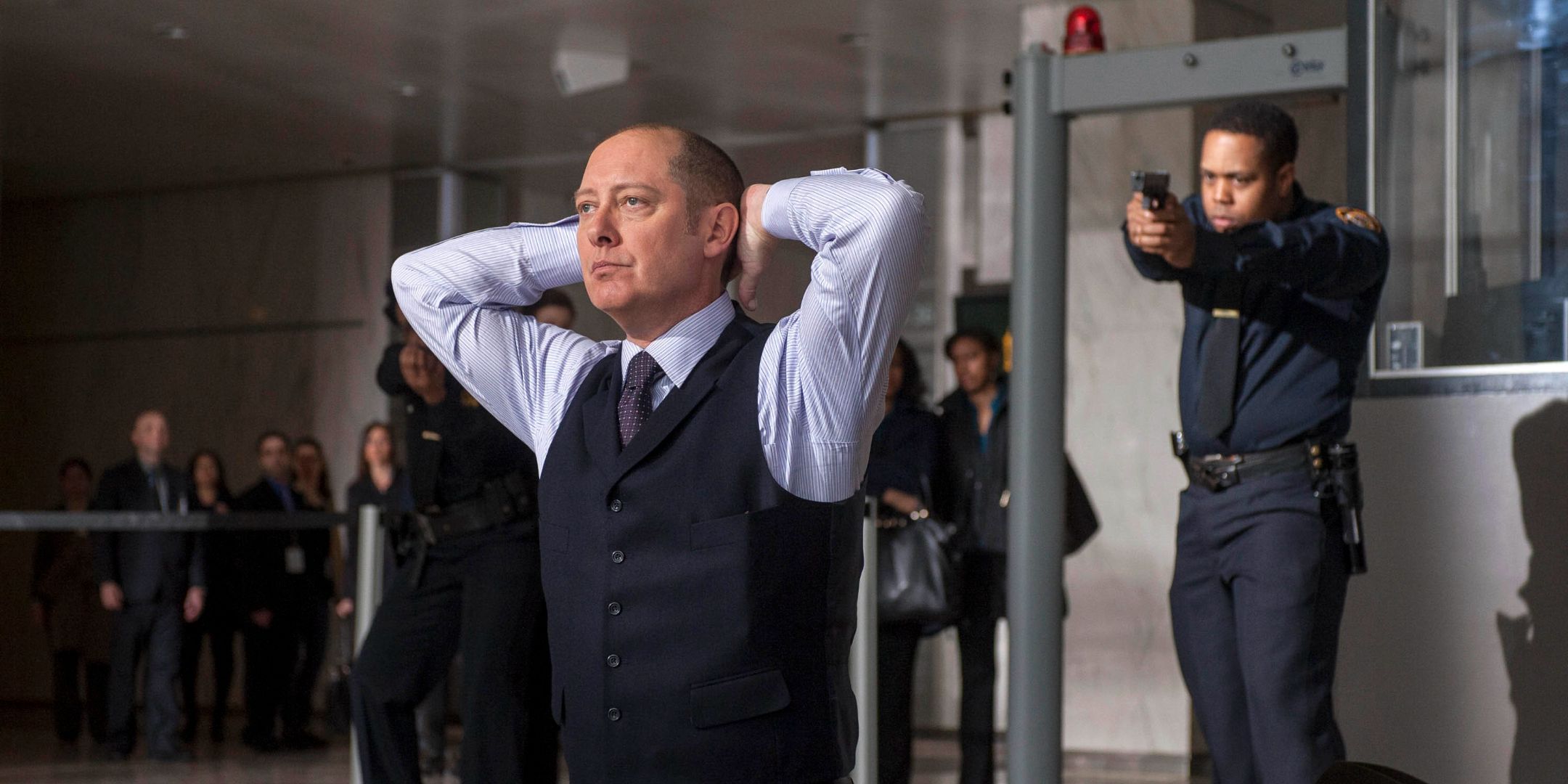
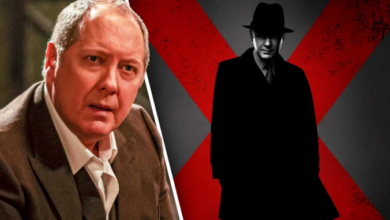
From the beginning, The Blacklist set out to explore the paradox of a criminal who becomes an asset to the very system he once evaded. When Raymond Red turns himself in during the series premiere, his motivations are murky and his conditions even more unusual. A former Navy officer turned international criminal, Red claims to possess intimate knowledge of a covert network of fugitives so dangerous that even the FBI is unaware of them. This dynamic of a criminal manipulating the justice system for his own purposes mirrors the real-life story of James “Whitey” Bulger, the Boston mob boss and longtime FBI informant.
According to showrunner John Eisendrath, Bulger’s 2011 arrest after his 16 years on the run inspired the core premise of the show. In a 2013 interview with Collider, Eisendrath confirmed that the idea of building a police procedural around a “bad guy” catching other bad guys emerged just as Bulger was making headlines. The central question became: “What would happen if a man like Whitey Bulger turned himself in and said, ‘I have some rules, but if you follow them, I’ll give you the names of the people I’ve worked with during the 20 years I’ve been a fugitive’?”
Bulger had long been one of the FBI’s most wanted fugitives, and his eventual capture shocked the public. After years of evading capture, he was found hiding in plain sight in a modest Santa Monica apartment with his longtime girlfriend. His dual role as both criminal and informant, offering intelligence to law enforcement while continuing to orchestrate brutal crimes, captivated the nation. That complex moral ambiguity laid the perfect foundation for The Blacklist, and the character of Red.


‘The Blacklist’ Is Only One Example of Whitey Bulger’s Influence on Film and TV

Red and Bulger share more than just a criminal resume, both being masters of control and equally charming and calculating. Like Bulger, who manipulated his relationship with the FBI to eliminate rival gangs and protect his own empire, Red uses his “blacklist” as leverage. He presents it as a tool to help the FBI capture global criminals, but each name also serves a deeper, more personal purpose. That duality makes for a compelling procedural TV concept. It’s also why Bulger has continued to inspire not only the creators of The Blacklist, but some of the most acclaimed writers and directors in crime storytelling.
What made Raymond Reddington so compelling, more than his moral ambiguity, was how genuine he felt. It’s no surprise that Whitey Bulger inspired such a layered character, but it was James Spader’s performance that elevated Red beyond the concept. The Blacklist was packed with intricate twists and global intrigue, but at its core was a character grounded in history, rich with contradictions, and endlessly fascinating to watch. That seamless blend of fact and fiction is what made Red unforgettable, and why he remains one of television’s most iconic antiheroes.