The Surprising New Connection Between ‘The Gilded Age’ and ‘Downton Abbey’ That Could Lead to a Crossover

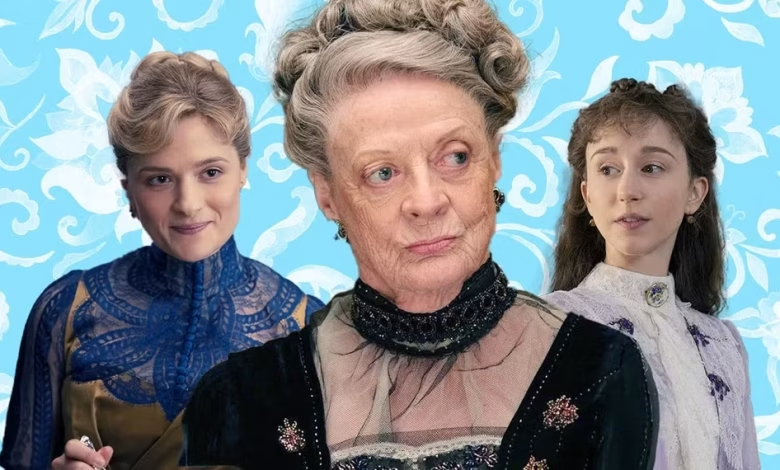
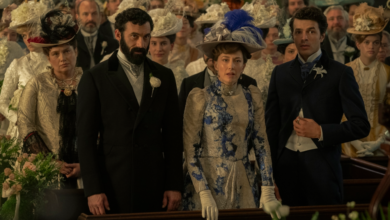
Gladys Russell (Taissa Farmiga), the debutante daughter of leading characters Bertha (Carrie Coon) and George Russell (Morgan Spector), marrying into British royalty this season sparked rejuvenated interest — as did her sailing home to New York on the HMHS Britannic, the Titanic’s sister ship, since Downton Abbey Season 1 opens the morning after the tragic disaster. (If that wasn’t enough, Downton takes its final bow in September via the Downton Abbey: The Grand Finale movie.) As for Fellowes and co-creator Sonja Warfield‘s plans for the future, they reaffirmed their optimism about a potential crossover and the best angle from which to approach it. Whether merging these beloved period pieces is logistically possible or narratively wise, however, is debatable.
Gladys Russell’s Marriage in ‘The Gilded Age’ Season 3 Opens the Door for a ‘Downton Abbey’ Crossover

Although Fellowes has never ruled out a crossover between The Gilded Age and Downton Abbey, his earliest concepts didn’t come to fruition. Fellowes’ post-Season 3 interview with TVLine indicates, for the first time, a clear path forward. Referring to Gladys’ new life in England, he stated:
“Well, obviously there’s an opportunity to [stage a crossover], because they are both in England. Things like the shooting season or whatever would incorporate many great houses for all of these families, as they would travel around England. We can bring about a conjunction whenever we wish, really, but we haven’t got one planned yet, so we’ll have to see.”
Gladys’ high-profile nuptials to the Duke of Buckingham (Ben Lamb) might be a magic weapon in more ways than one. Previously a supporting character, Gladys’ Season 3 storyline gives The Gilded Age a platform to explore controversial themes surrounding arranged marriages versus marrying for love, how to secure a woman’s future when options are severely limited, and the fact that a wife’s financial security — and physical safety — can vanish on their soon-to-be-ex-husband’s whim.
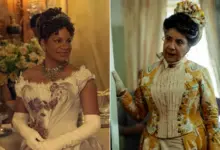
Where Season 4 is concerned, Gladys will likely remain on Hector’s estate, not New York City’s bustling 61st Street, for the majority of her pregnancy. Carving out a pleasant relationship with her husband has helped her simultaneously view his mansion as a home, gain greater self-assurance, and familiarize herself with her duties as a duchess. As her responsibilities increase, and as the mother of the Duke’s future heir, it makes sense for Gladys to either venture out into British society or be sought out by various parties who are curious about the new duchess.
Gladys Russell Could Meet Specific ‘Downton Abbey’ Characters in ‘The Gilded Age’ Season 4
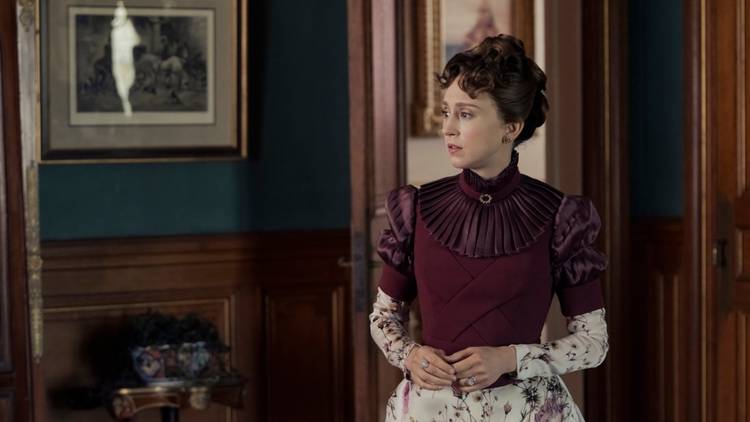
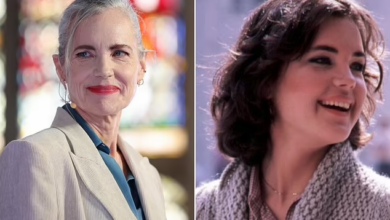
An encounter that’s less likely but thematically richer involves Gladys crossing paths with a youthful Cora Crawley (Elizabeth McGovern), another “dollar princess” whose financially motivated marriage into British royalty becomes a love match. Granted, Cora doesn’t move to London until 1888 or marry her future husband, Robert (Hugh Bonneville), until 1890, while Gladys and Hector’s marriage occurs in 1884. Unless The Gilded Age does a bold four-year time skip, any meeting between Gladys and Cora would need to occur when Gladys is visiting New York. The two women wouldn’t yet have parallel experiences to bond over, but it could still be a believable interaction that leaves the door open for a future friendship — especially if Cora needs comfort, empathy, or advice about her engagement to a man who doesn’t reciprocate her affection.
A Crossover Between ‘The Gilded Age’ and ‘Downton Abbey’ Needs To Be Subtle
Like these other works, The Gilded Age exists on its own merits. Despite its initial origins as a Downton Abbey prequel about Cora, once Fellowes and Warfield fleshed out their American-based idea, they designed the series as an independent story with enough of Fellowes’ traits to count as Downton‘s coincidental spiritual successor. Bridging the two could easily be too self-indulgent, especially since cameos by any Downton character risk devolving into distracting, awkward fan-service — audience immersion might break, like being on the outside of an inside joke.