Voight Going Back To His B.l.o.ody Basics In Chicago PD Is Exactly What Season 14 Needs

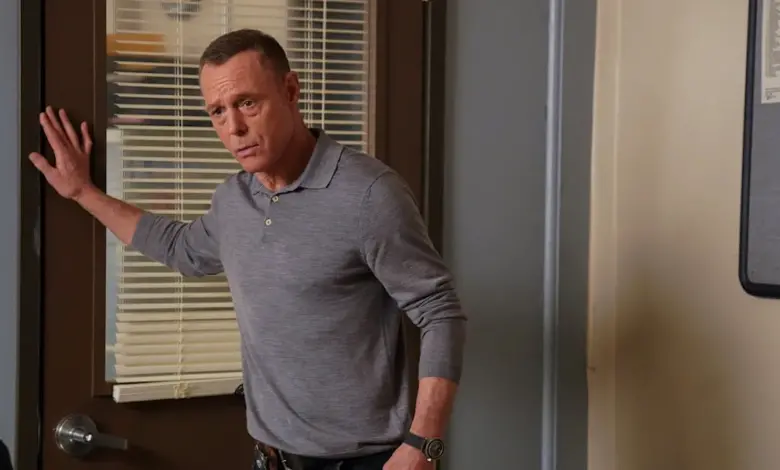
Few television characters in modern police procedurals are as divisive — or as compelling — as Hank Voight from Chicago P.D.. For more than a decade, the Intelligence Unit commander has operated in a moral gray zone, balancing justice with intimidation, manipulation, and outright rule-breaking. While the series has evolved over the years, many fans and critics argue that the show is strongest when Voight embraces the dangerous edge that originally defined him.
In its early seasons, Chicago P.D. distinguished itself from other procedural dramas because of Voight’s unpredictable methods. Unlike traditional TV cops who strictly followed the law, Voight believed results mattered more than procedure. He intimidated suspects, crossed ethical lines, and frequently challenged authority figures within the department. That darker approach gave the show a unique identity inside the broader One Chicago franchise.
Over time, however, the character softened. Personal tragedies — including the deaths of his son Justin and longtime ally Al Olinsky — gradually pushed Voight toward a more restrained version of himself. The series also shifted tone in response to changing conversations around police representation on television. While this evolution made the show more grounded and cautious, some viewers felt it lost part of what made it exciting in the first place.
One of the most important aspects of Voight’s character is that he operates best under pressure. Emotional introspection has never been his defining trait. According to ScreenRant’s analysis, Voight’s grief rarely manifests through vulnerability for long; instead, it becomes fuel for action, revenge, or redemption. That constant forward momentum is what keeps the character engaging.
The show also benefited from surrounding Voight with characters who acted as moral counterweights. Former detectives Antonio Dawson and Jay Halstead often challenged his methods, forcing him to justify his actions and occasionally rein himself in. After their departures, however, the Intelligence Unit lacked a strong internal balance. The absence of those relationships changed the team dynamic and made the series feel less tense.


Recent storylines suggest the writers understand this problem. New conflicts involving corrupt officials and increasingly dangerous criminals have pushed Voight closer to the aggressive tactics that once defined him. NBC even hinted at the return of the “old Voight,” signaling a deliberate effort to revive the harsher, more ruthless side of the character.
Fan reactions online strongly support that direction. Many longtime viewers believe Chicago P.D. loses its identity when Voight becomes too restrained or passive. Discussions on Reddit repeatedly describe the character as the emotional and dramatic core of the show, with several fans arguing that the series cannot survive without his morally ambiguous leadership.
At the same time, Voight’s appeal comes from complexity rather than simple brutality. He is not a conventional hero, but neither is he a complete villain. His actions often raise uncomfortable questions about justice, corruption, and whether the system itself is capable of stopping violent criminals. That ambiguity is what separates Chicago P.D. from more formulaic police dramas.
The challenge for the writers moving forward is balance. Bringing back the “classic” Voight does not necessarily mean returning to unchecked violence or corruption. Instead, it means restoring the intensity, unpredictability, and moral tension that originally made the character fascinating. Fans appear less interested in watching a sanitized version of Voight and more interested in seeing a flawed leader forced to make impossible decisions.
Ultimately, Chicago P.D. succeeds when it embraces the uncomfortable reality that Hank Voight is both the show’s greatest strength and its greatest risk. His willingness to cross lines creates conflict not only with criminals, but also with his own team, his superiors, and the audience watching at home. That tension is what keeps the series alive after so many seasons — and why many viewers believe the show becomes far more compelling whenever Voight returns to basics.