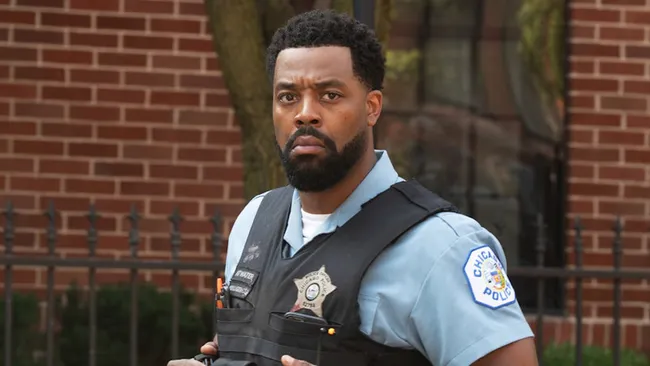
Chicago PD sometimes struggles to fully flesh out a storyline, and Kevin Atwater’s arc of standing up against the Blue Line was one of them.
Initially, Chicago PD Season 7‘s abrupt ending left the storyline hanging; it picked up again in Season 8, but ultimately, it went nowhere.
It’s not like the writers don’t have it in them to craft a compelling story, and Torres’ recent crisis-of-faith story is proof of that.
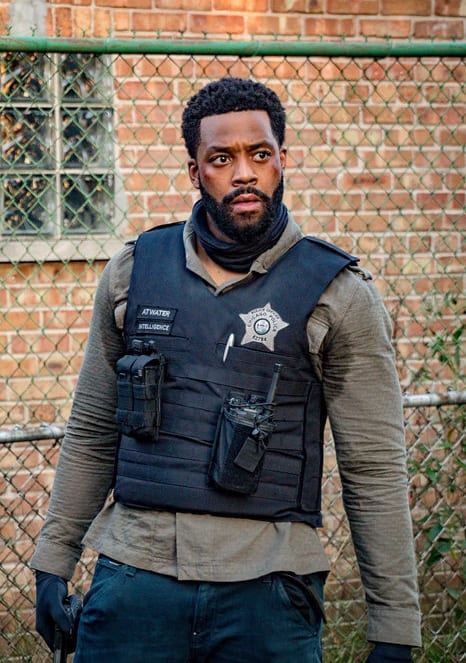
Atwater’s Blue Line Story Deserved a Longer Arc
I do think that the pandemic was slightly to blame for this storyline being cut so much.


I get the feeling it was supposed to run longer during Chicago PD Season 7, but the sudden halt to filming and the world’s events led to this abrupt ending, which needed to be picked up in Chicago PD Season 8.
Maybe that’s where some of the momentum went, or maybe the writers felt they needed to wrap up the story quickly to start the season afresh.
The problem is that it did an injustice to the storyline, which was happening at a crucial moment during the Black Lives Matter protests.

We went the entire spring, summer, and part of the fall, wondering how Atwater would handle the threat of the police surrounding him.
What would it mean for his career, and would he be able to bring real change?
What would it mean for his working relationships with other members of Intelligence, who could also end up facing retaliation for Atwater’s actions?
These were all important conversations to have because they happen in real life.
Instead, Chicago PD Just Moved On
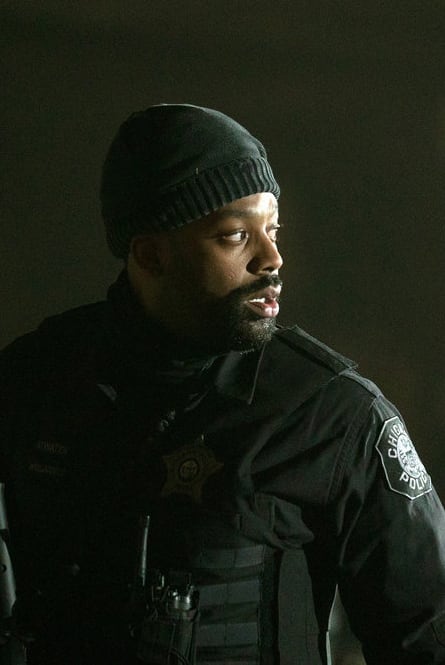
We got to see Voight make it clear to Atwater what it could mean to stand up against the Blue Line, but he also understood why Atwater had to do this, so he supported him.
There was a brief look at Ruzek’s and Upton’s thoughts about it, but that was really it.
Burgess and Halstead remained silent for much of the arc, and that spoke volumes — and not in a good way.
It felt like Atwater was out on his own, and at first, that could have made sense. The problem was that Chicago PD didn’t give this arc the room to breathe that it needed.
Within a couple of episodes, the retaliation ended.
To make matters worse, everyone just moved on.
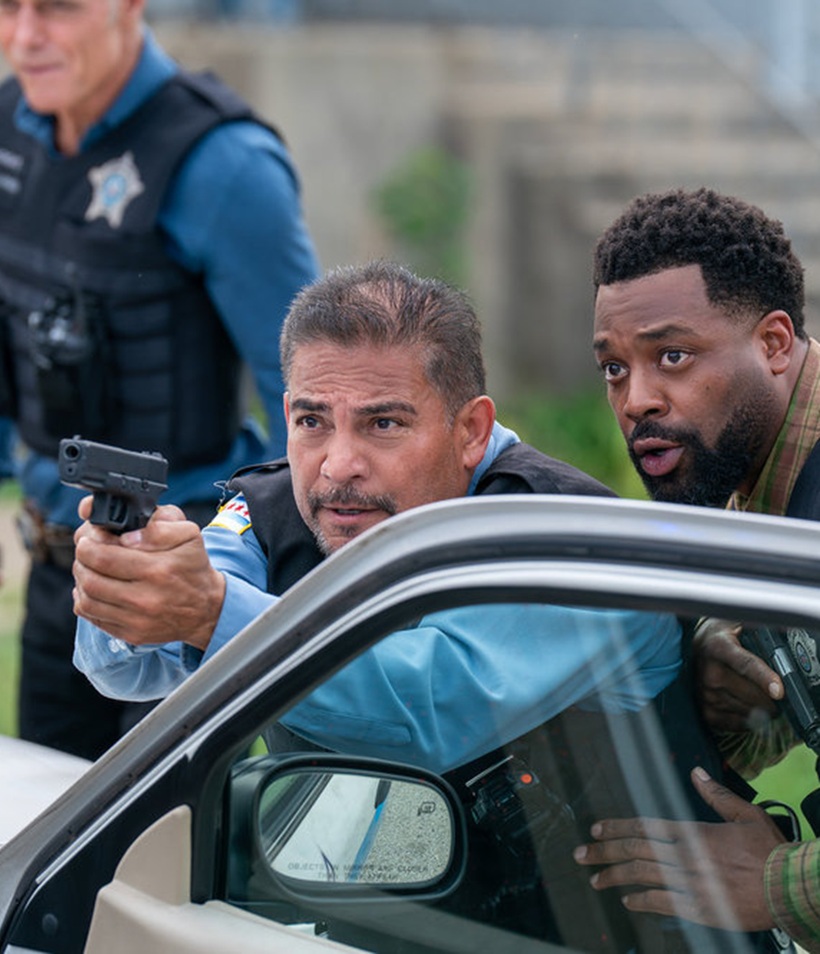
Five seasons on, it doesn’t even feel like there was a resolution to it, and Atwater just seemed to forget all about it.
There are still issues with the police treating Black people differently, and Atwater just seems to have gone back to silence, feeling like he can’t do anything about it.
Part of me wonders if the writers weren’t too sure about where to go with this arc, and that’s why it was ended so quickly without real consequences for anybody.
It’s not like Chicago PD writers can’t continue a story with real substance, and Dante Torres is proof of that.
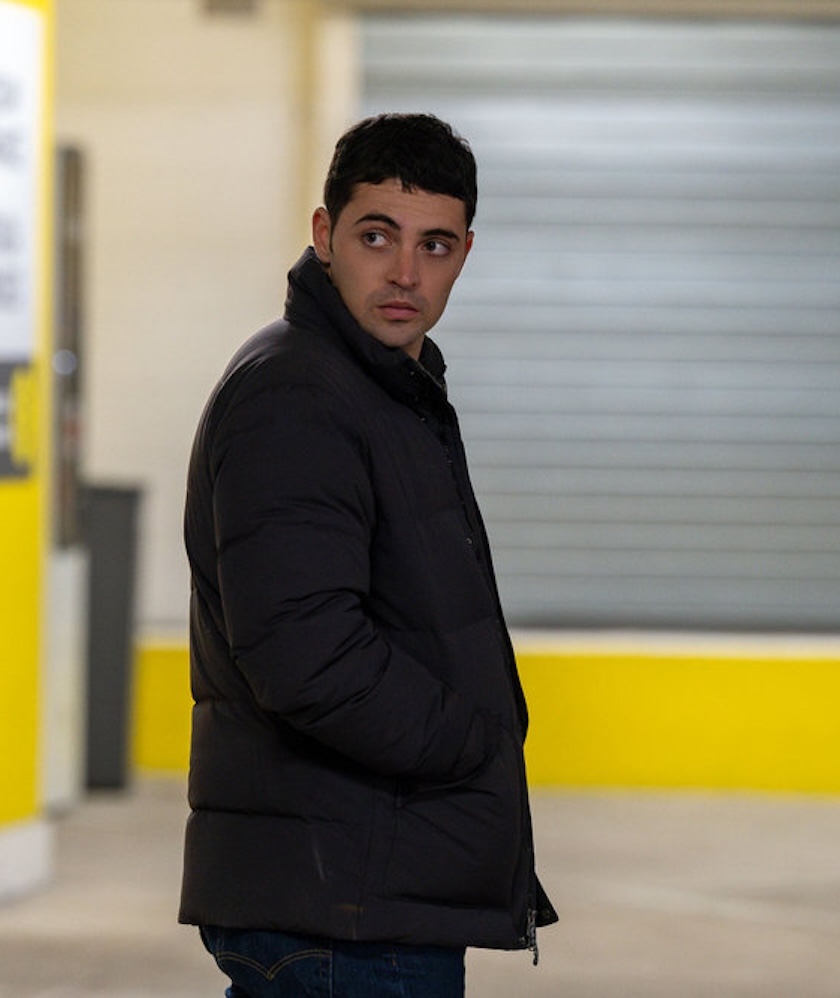
Torres’ Crisis of Faith Has Had Time
During Chicago PD Season 12, Torres faced a crisis of faith.
Everything was crashing around him, and he didn’t feel like anything he did was helping the people of Chicago or his own community.
He started feeling like he didn’t belong in church or with his people, and he wasn’t sure what to do about that.
In fact, it led to his insomnia coming back, so he would box until he was just so exhausted that his body gave in.

There were plenty of moments throughout the end of Chicago PD Season 12 and into Chicago PD Season 13 that we worried about him.
Each character-centric story for him continued his crisis journey, giving it time to breathe and grow, showing just how much it was affecting him.
Then, it would affect his team, and we saw how Kiana Cook and, later, Eva Imani tried their hardest to help him.
While there was some sort of peace at the very end of last season, it wasn’t real peace.
Chicago PD Allowed the Arc to Be a Slow Burn

Sure, he was more at ease in the church, but it was clear that he still had more work to do.
The writers didn’t just forget about that when this season started.
It’s only been when he felt like he achieved something, helping murder victims and their families get real justice, that he seems to be on the right side of healing.
This story hasn’t even finished yet, as we don’t know what’s to come in the rest of Chicago PD Season 13, so there’s hope we’ll see that slow-healing process.
Given the time already spent on Torres and his crisis of faith, it’s not false hope, either.
So, why couldn’t Chicago PD have done that for Atwater with his Blue Line arc?
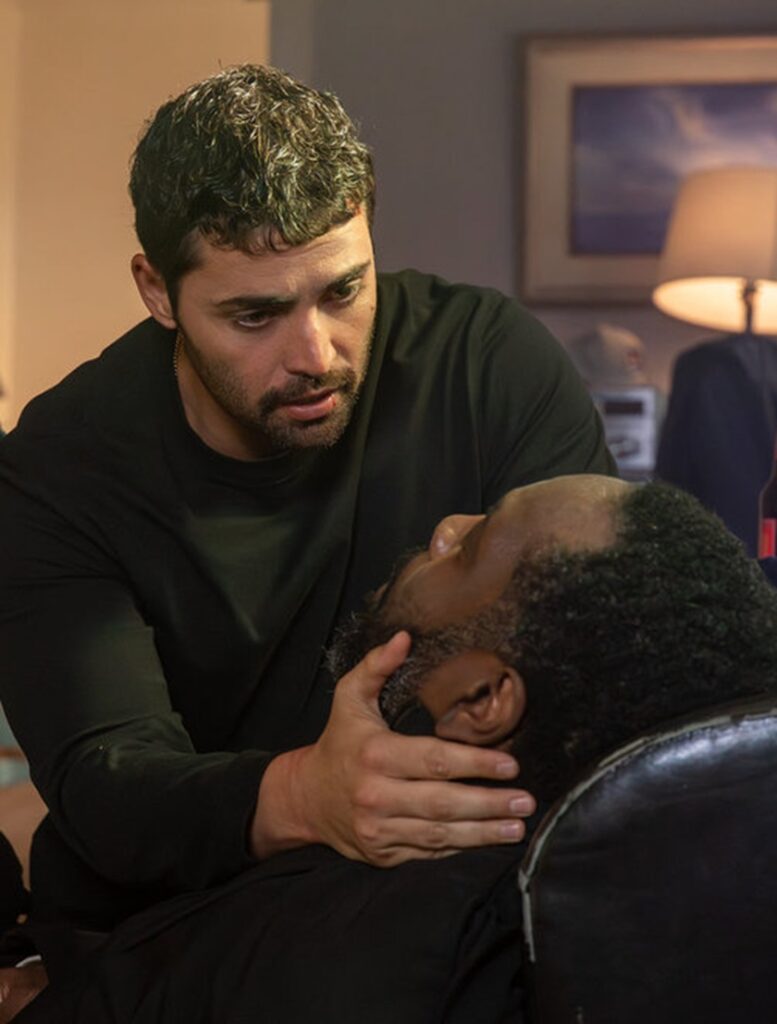
The downside for Atwater is that it’s been five seasons since the Blue Line arc, so people have moved on.
To bring it back up would mean either backtracking or having something new happen that really pushes Atwater’s need to bring change to the police department, and I can’t see either happening.
It deserved more time, and it still deserves more time, which is why I stick to my belief that if the writers can’t do anything substantial with Atwater, it’s time to write him out and let him live his best life.
Chicago PD returns on Wednesday, March 4, with the three-hour One Chicago crossover event on NBC.