Stabler Always Takes Things Too Far on ‘Law & Order: SVU,’ but This Moment in the Crime Series Is Unforgivable

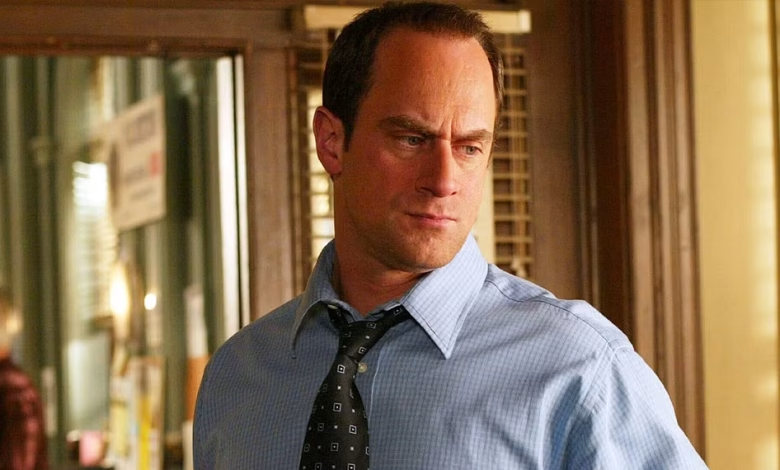
This happens most strikingly in Season 3, Episode 10, “Ridicule,” when a man accuses a group of women of rape. It was a controversial storyline for the early 2000s, and nearly 25 years later, it’s still difficult to watch such a beloved character — and others — respond with so much skepticism and be so dismissive. But maybe that discomfort was part of the point.
‘Law & Order: SVU’ Season 3 Featured a Male Assault Victim in “Ridicule”
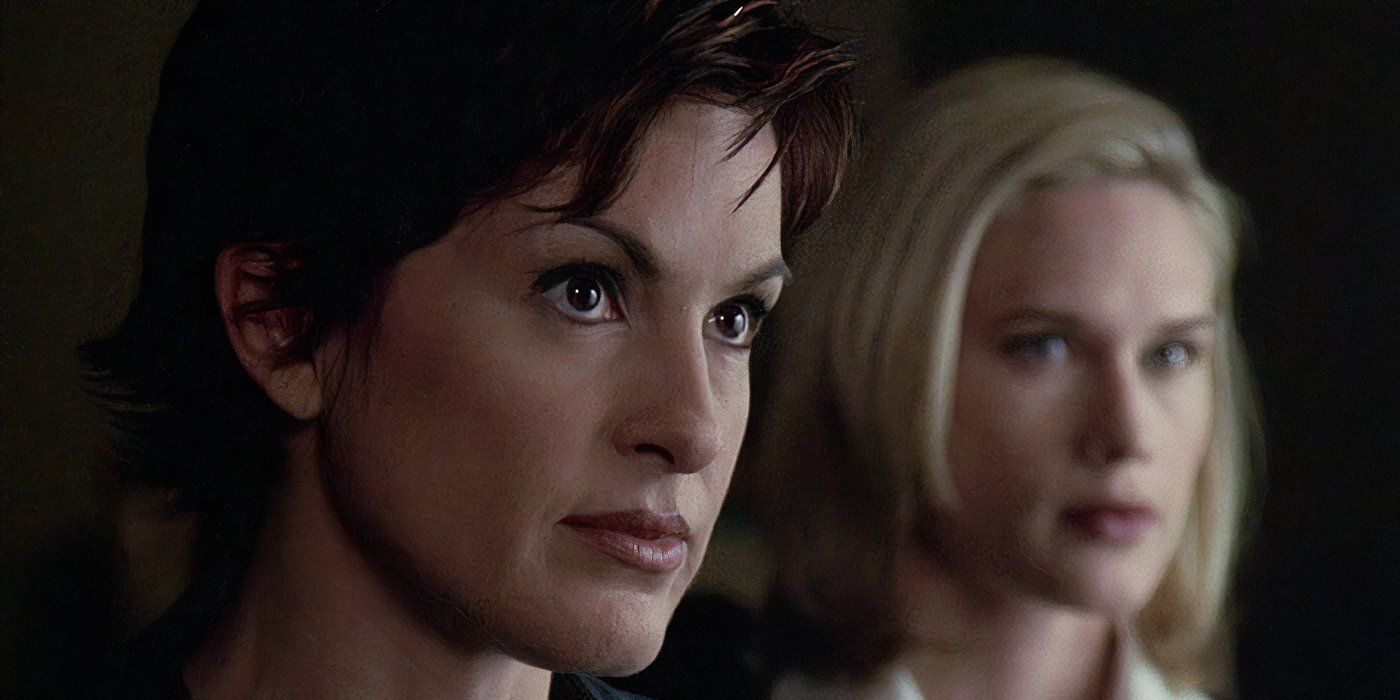
In “Ridicule,” the case begins with the suspicious death of a woman named Sydney, initially believed to be an accident. But when her husband reveals she and two friends sexually assaulted a male stripper during her bachelorette party, Benson is open to pursuing the claim, while Stabler immediately shows skepticism. They track down the stripper, Peter (Peter Starrett), who is eager for justice, but Stabler treats him with outright doubt, calling the incident “alleged” and focusing more on Peter as a suspect than a victim. When the medical examiner rules Sydney’s death accidental, Benson pushes to charge the women with sexual assault, but Stabler resists, insisting Peter must have consented unless he was drugged or physically threatened, reinforcing the harmful myth that men can’t be raped by women.


What’s worse is that there’s no real reckoning for Stabler. His response reflects a cultural bias that treats male victims as less credible, a prejudice the episode frames as a legitimate debate. In contrast, Benson approaches Peter’s story with compassion and conviction, underscoring the stark divide in how they view justice, at least in this case. For a show built on advocating for survivors, allowing one of its most prominent characters to dismiss a victim so completely feels like a betrayal, but perhaps an intentional one. Even decades later, the episode remains hard to watch, not just because of its subject matter, but because of who ends up on the wrong side of it.
“Ridicule” Showed a Controversial Side of Elliot Stabler

One of the many things to remember about a show that’s run for 26 seasons is that both time and people evolve. While the public discourse around men speaking out about sexual assault, particularly at the hands of other men, has grown in recent years, the concept of a man being a victim of sexual assault by a woman is still met with skepticism, even today. Considering that “Ridicule” aired over two decades ago, it’s hard to argue that the way Peter, the male victim, was treated, especially by a lead detective, wouldn’t have unfortunately mirrored reality. That’s what makes the episode so controversial: Stabler’s behavior is deeply disappointing, but also brutally honest.
The Way Stabler’s Storyline Concludes in This ‘Law & Order: SVU’ Episode Is Frustrating

That’s what makes “Ridicule” both frustrating and important. Stabler is never held accountable for how he treats Peter, and there’s no narrative reckoning for his dismissal of a rape victim. But that, in a way, is unfortunately the point. The episode wasn’t meant to model the “right” way to handle such a case. In fact, it was meant to reveal the wrong way, as well as how deeply ingrained biases can shape the response to survivors. It highlights not only the public’s blind spots, but those of the people sworn to protect them.
Sexual assault is vastly underreported across the board, and survivors of all genders often face shame, stigma, and disbelief. But male victims, especially when the perpetrator is a woman, face an added layer of cultural denial. According to RAINN, 1 in 10 rape victims in the U.S. are male, yet prosecutions remain rare, and harmful myths about masculinity often prevent survivors from coming forward. “Ridicule” doesn’t just show a failure of justice, but also how men were treated when they did come forward back then — even by people who were supposed to advocate for them.